If you’ve lived just a few miles outside any Pennsylvania town, you know the routine: internet speeds crawl, calls drop, and streaming can mean endless buffering. Even in 2026, rural Pennsylvania still faces a stubborn digital divide. High-speed cable and reliable fiber rarely stretch across hills, valleys, or old coal country. But over the past few years, fixed wireless and Starlink have become much more well known.
With more people working from home, kids logging into Zoom for school, and farmers syncing agri-tech devices, finding reliable and affordable rural internet has never mattered more. In this article, we’ll compare fixed wireless and Starlink side by side – how they work, what locals say, true costs, and which one actually makes sense for YOUR area of Pennsylvania.
Understanding Internet Challenges in the Area

Ask anyone from rural PA. Internet access can be difficult to navigate. Geography dominates the scene. Dense forests, steep hills, and valleys interrupt lines of sight. And there’s often too much ground to cover for cable or fiber companies to justify the installation. Even major telecoms hesitate to run lines past the township limits due to low population density and tough terrain.
Traditional broadband (think Comcast or Verizon Fios) rarely shows up past the borough. Satellite internet has tried to fill the void, but many options can still be slow, laggy, and expensive.
Fixed wireless and Starlink (with slightly different technology than traditional satellite internet) use different technologies but share a goal: beat physical infrastructure limitations to get fast, reliable connections.
What is Fixed Wireless Internet?
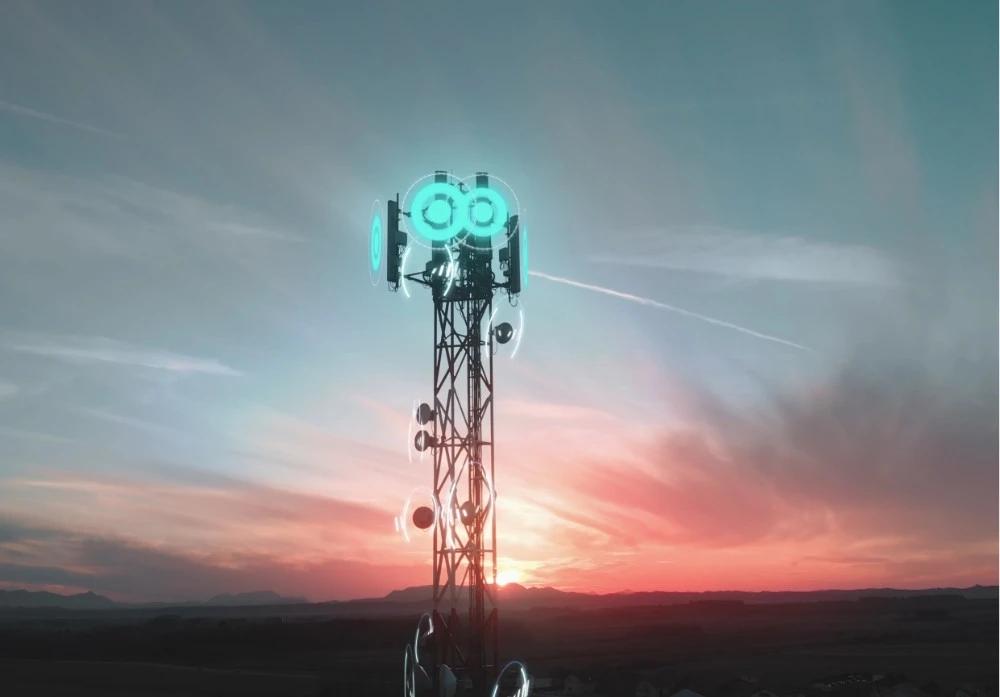
Picture a rural radio tower. Instead of broadcasting music, it beams internet signals to nearby homes and farms. Unlike cable, fixed wireless doesn’t need wires running underground. Instead, it relies on antennas (usually small dishes) that point directly to local towers.
In Pennsylvania, fixed wireless has flourished through regional ISPs like Upward Broadband. The connection is surprisingly quick to install, and tech support comes from local folks who know your back roads.
Pros:
- High speeds up to 1 Gig
- Lower latency than satellite internet
- Fast installation (days, not weeks)
- Local customer service and support
- No digging up the yard for cables
Cons:
- A receiver must be installed on your home or another structure on your property.
- Range is limited by tower network. Typically, if you’re more than 10 miles from the tower, you won’t be able to receive service.
Typical Fixed Wireless Speeds, Latency, and Coverage
Actual speeds will depend heavily on how close you are to the tower. Most Pennsylvania customers enjoy:
- Download speeds from 25 Mbps to 1 Gig
- Upload speeds range from 5 Mbps to 1 Gig
- Latency between 20 and 60 ms
To ensure a hassle-free experience, we always recommend contacting us directly or using our service availability finder tool.
What is Starlink?
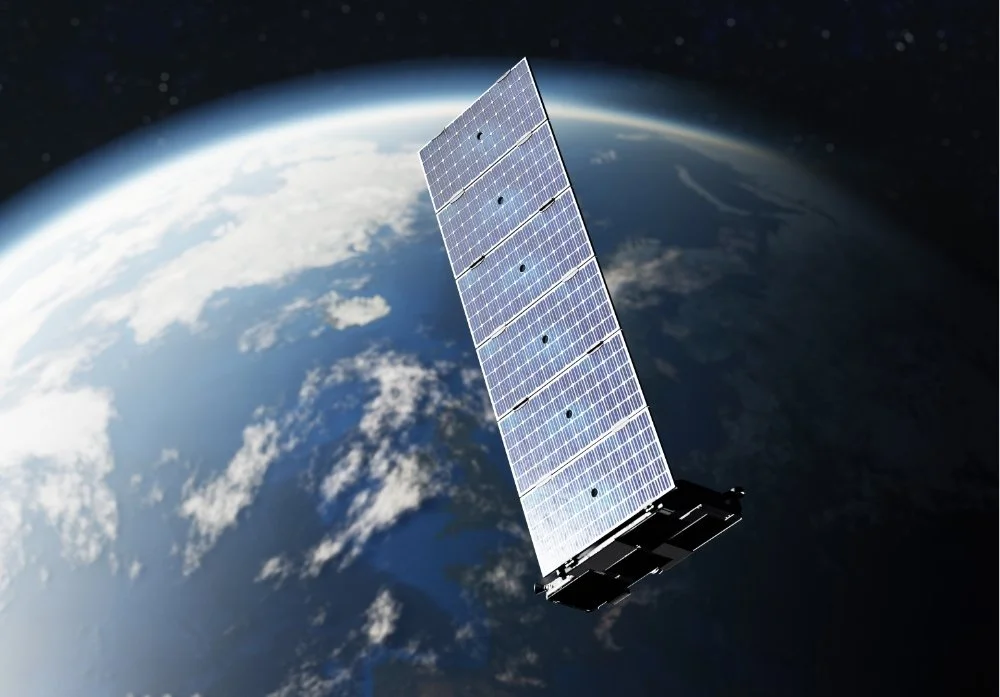
Starlink, the much-discussed project by SpaceX, sends internet down from a growing swarm of low Earth orbit (LEO) satellites. Unlike fixed wireless, Starlink doesn’t care if you’re more than 10 miles from a tower. All you need is power and clear sky.
Starlink’s LEO satellites orbit much closer to Earth than other traditional options, which means less lag and faster speeds. Pennsylvanians who felt burned by satellite internet in the past are taking a second look, but Starlink still faces some hurdles unique to PA . Cloudy days, thick tree lines, and rolling mountains can all block the dish’s “view” of the sky.
Pros:
- Available in more areas than traditional satellite or fixed wireless
- Can be DIY or with the help of a handyman
- Solid speeds at times
Cons:
- High latency
- Service drops when snow covers the dish or storms roll in
- Higher upfront cost
- Congestion possible during peak hours
- Set up is DIY
- Security concerns: all user data used to train their AI
Starlink Speeds, Latency, and Coverage
Real-world speed tests in rural PA regularly report:
- Download speeds from 25 to 260 Mbps
- Upload speeds around 15-40 Mbps
- Latency usually between 20 and 30 ms
Starlink Installation Costs & Considerations
A standard install involves:
- Ordering the hardware (requires an upfront fee, but they do run an occasional promotion)
- Mounting the dish on a roof or pole with a clear view of the sky
- Connecting to power and running a cable inside
Dish placement is critical due to obstructions like trees and rooflines causing “dead zones” where dropouts are common.
Fixed Wireless vs Starlink Comparison Table
| Feature | Fixed Wireless | Starlink |
|---|---|---|
| Download Speeds | 25 Mbps to 1 Gig (provider dependent) | 100–310+ Mbps |
| Upload Speeds | 5–200 Mbps | 15–35 Mbps |
| Latency | 20–50 ms | 25–60 ms |
| Upfront Cost | Varies; some $0–$200, equipment may be included | $499–$599 (hardware) |
| Monthly Fee | $40–$100+ | $50-$120 |
| Availability | Dependent on local towers; varies by region | Most of PA, pending Starlink rollout progress |
| Weather Impact | Low | Performance affected by snow, rain, dense trees |
| Best For | Low latency (gaming, streaming, video calls), local support | Remote/forested areas, where towers are unavailable |
Availability and Coverage: What Does Your Address Qualify For?
Wait times for Starlink dish shipments vary, but remote areas occasionally see install backlogs. Fixed wireless access depends entirely on tower proximity, so start by checking our coverage tool here for fixed wireless services.
Installation Experience: What to Expect
Fixed Wireless:
- Call local provider to schedule an installation.
- Installer visits to confirm signal strength, and mounts the antenna to the building/pole.
- Connects to power, sets up the router, and tests speeds on site. Activation is on the same day as the install.
Starlink:
- Order kit online. Delivery varies by backlog (often 1-2 weeks).
- Mount the dish somewhere with 100-degree clear sky view and run wires.
- Plug in and use the Starlink app to check for obstructions.
- Activation is self-service.
Best Use Cases and When to Choose Fixed Wireless or Starlink
- Fixed Wireless: Great for home, business, online classes, gaming, cabins, and streaming
- Starlink: Best for off-grid cabins, wooded lots, travelers, or anyone outside fixed wireless reach
Preparation: Questions to Ask
- Are there any local providers available at my property?
- How many people/devices do I need connected at once?
- What’s my highest priority—cost, speed, reliability, or local support?
- When considering Starlink specifically, do I have clear line-of-sight to the sky? For fixed wireless, are there any hills blocking line-of-sight to the tower?
- Am I comfortable climbing up on my roof or do I want pro installation?
Frequently Asked Questions (FAQs)
Can Starlink or fixed wireless support gaming?
Yes, as long as latency stays below 50 ms or so to remain optimal. Fast-paced games like Fortnite often perform best on fixed wireless vs Starlink.
What should I do if I have lots of trees or hills blocking my property?
With fixed wireless, hills can block the signal. Install antennas as high as you can and have the provider test on-site. For Starlink, use their app to spot potential “obstructions.” Sometimes a pole mount above the tree line is the only fix.
How do the costs really compare over 2-5 years for a rural household?
- Fixed wireless: $40–$100+/month, minimal (sometimes $0–$200) installation fee
- Starlink: $50-$120/month, hardware fee varies
- Hidden fees rarely appear, but check for data caps, taxes, or fee-for-early-termination.
How secure are fixed wireless and Starlink internet connections?
Both systems encrypt traffic, but it’s up to you to set strong Wi-Fi passwords and update router firmware. Phishing and online scams remain the biggest threats for rural families. Of note when considering security is that Starlink updated its global privacy policy on January 15, 2026, to allow the collection of user data to train machine learning and AI models.
Who offers the best fixed wireless internet?
As a local ISP, Upward Broadband takes pride in providing the highest quality internet to our customers. We offer fixed wireless internet throughout South Central PA, including Lebanon County, Lancaster County, Huntingdon County, Chester, Franklin, Fulton, Perry, and many more.
Final Thoughts and Next Steps
If you’re in south-central Pennsylvania, the fastest path to a better connection is simple: Check whether Upward Broadband’s fixed wireless is available at your address first. When we can serve your location, you get a high-speed, hassle-free home internet connection backed by a local team that cannot be beaten.
Ready to get connected?
- Check Availability on Upward’s coverage map.
- Call Upward Broadband at (717) 869-0968 to verify your address and get the next installation slot.