
Fixed Wireless Internet vs Fiber Internet: How Do They Compare?
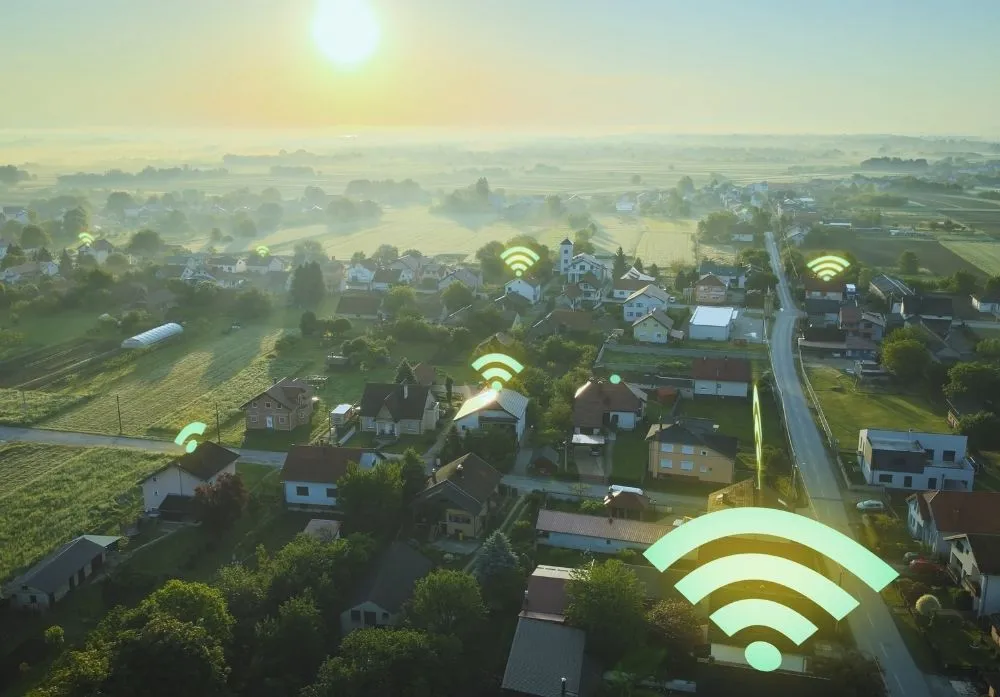
Fiber internet is fast, reliable, and built for heavy use, but for most rural addresses in Pennsylvania, fiber simply isn’t available. The infrastructure to run fiber-optic cable to every home is expensive, and providers focus buildouts on areas with higher population density.
So if you can’t get fiber, what do you do for internet service? For many homes and businesses across south-central PA, the answer is fixed wireless internet.
However, what you may not realize is that fixed wireless is not just a good alternative when fiber isn’t available; it’s actually a great first choice as well. With speeds now up to 1 Gig, fixed wireless offers speeds competitive with fiber internet when considering average home usage.
Fixed wireless delivers broadband speeds from fiber-fed towers directly to a receiver on your property, without phone lines, cable, or digging trenches. Because the towers themselves are connected by high-capacity fiber or multi-gigabit wireless backhaul, the performance is much more competitive with fiber than most people expect.
This page breaks down how fixed wireless and fiber internet compare on speed, latency, cost, reliability, and availability so you can figure out which makes sense for your situation.
How Fiber Internet Works
Fiber internet transmits data using pulses of light through thin glass or plastic strands. Because light travels faster and more efficiently than electrical signals over copper, fiber delivers very high speeds with low latency. A direct fiber connection to your home (sometimes called “fiber to the home” or FTTH) offers symmetrical upload and download speeds, often 500 Mbps to 1 Gbps or more.
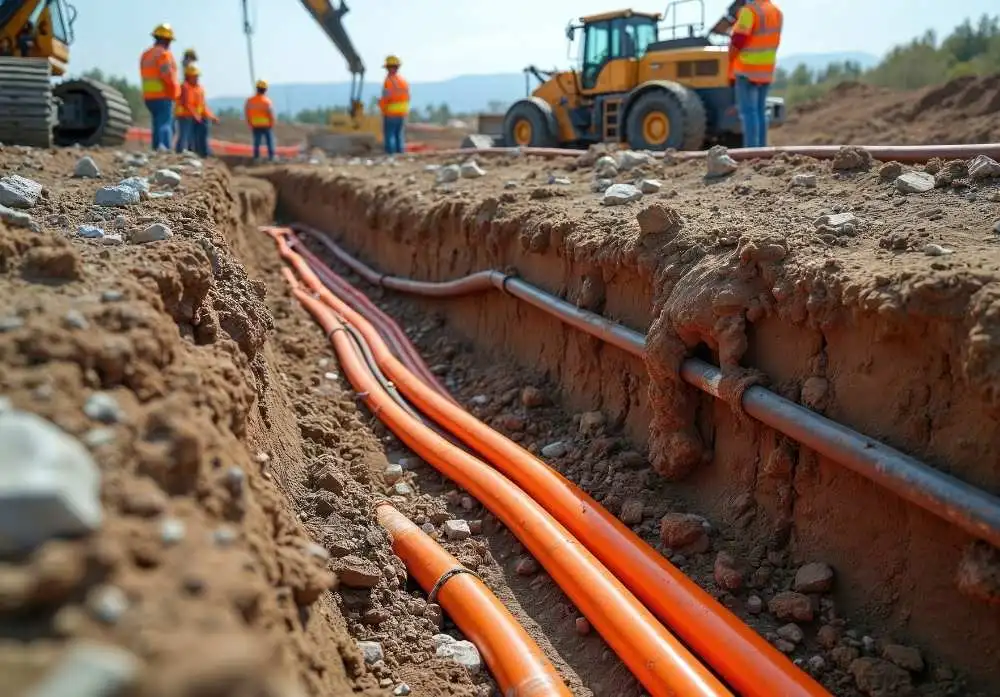
The tradeoff is infrastructure cost. Running fiber cable to each individual property requires trenching, permitting, and significant construction, which is why fiber buildouts tend to reach dense suburban and urban areas first.
How Fixed Wireless Internet Works
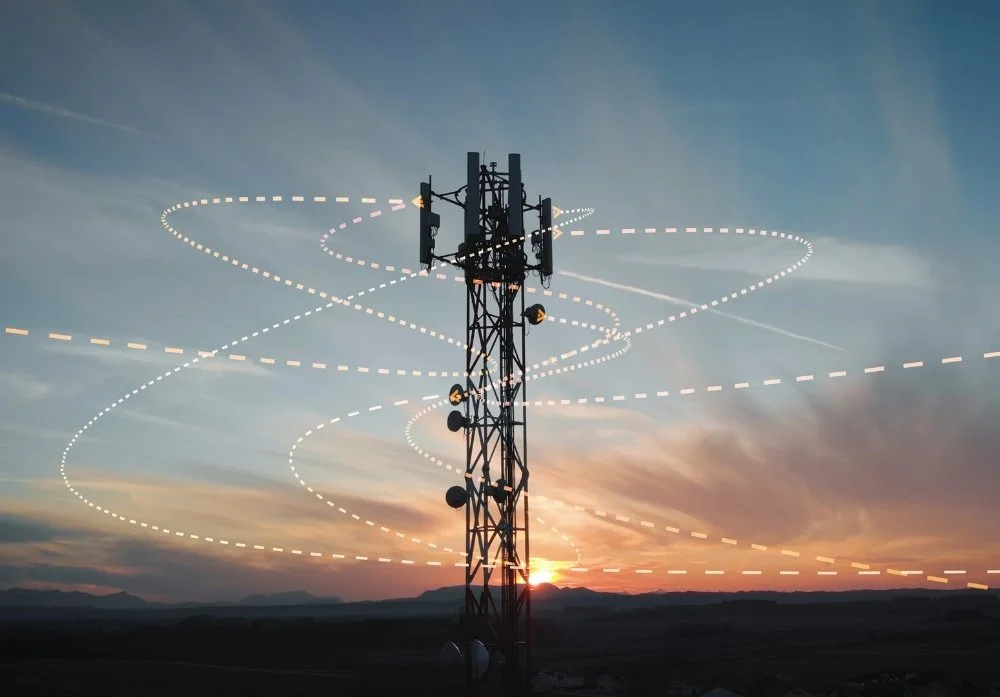
Fixed wireless internet uses a wireless network to deliver broadband from a nearby tower to a receiver installed at your home or business. The tower itself is typically backed by a high-speed fiber backhaul, so the “source” of the internet is fiber-grade even though the last mile to your property is delivered wirelessly.
Each customer needs to be within range of a tower (typically about 10 miles) with a clear line of sight. A small antenna is mounted on your roof, wall, or chimney and connects to an indoor modem that provides Wi-Fi and ethernet to your devices. Learn more about the equipment needed for fixed wireless internet.
Because fixed wireless internet doesn’t require running new cable to every address, it can provide fast, reliable internet to rural properties that fiber and cable providers skip. Installation is typically completed in days, not weeks or months.
Fixed Wireless vs Fiber Internet Comparison
| Feature | Fixed Wireless | Fiber Internet |
|---|---|---|
| Download Speeds | Up to 1 Gig | 500 Mbps–1 Gbps+ |
| Upload Speeds | Up to 200 Mbps (with potential speeds up to 1 Gig) | Symmetrical (matches download) |
| Latency | 10–40 ms | 1–10 ms |
| Data Caps | Often unlimited | Varies by provider |
| Weather Impact | Minimal | None (underground cable) |
| Installation Time | Days | Weeks to months (if available) |
| Infrastructure Required | Tower + antenna on property | Fiber cable run to property |
| Rural Availability | Strong (no trenching needed) | Limited in most rural areas |
| Monthly Cost | $100+/mo | $125+/mo |
| Best For | Rural homes & businesses without fiber access | High-bandwidth users with fiber availability |
Speed: How Fixed Wireless Compares to Fiber
Fiber internet is faster in raw numbers. A fiber-to-the-home connection can deliver symmetrical speeds of 500 Mbps to 1 Gbps or more. This means uploads are just as fast as downloads. That’s a real advantage for cloud backups, large file transfers, and households with heavy upstream demand.
Fixed wireless download speeds typically range from 100 Mbps to 1 Gig with upload speeds of primarily 20 to 200 Mbps. However, new technology does allow fixed wireless providers to offer symmetrical speeds up to 1 Gig for those who are within a short distance of the tower.
While fiber gets all the hype, fixed wireless speeds more than cover what most households actually need. Netflix recommends 15 Mbps for 4K streaming, and a Zoom call uses about 3 to 4 Mbps. A 50 Mbps fixed wireless connection handles a household with multiple people streaming, working remotely, gaming, and browsing at the same time without trouble.
While fiber is faster, whether that speed difference matters depends on how you actually use the internet.
Something also to keep in mind is that many fiber packages offer speeds “up to,” but they rarely deliver the peak speed. At Upward Broadband, we provide the speed you pay for. It’s better to consistently have 200 Mbps instead of a plan that’s up to 1 Gig but only delivers 100 Mbps half the time.
Latency: Does It Make a Difference?
Fiber’s latency (the delay between sending and receiving data) is very low, typically 1 to 10 milliseconds. Fixed wireless latency is also low at 10 to 40 milliseconds. Both are fast enough for video calls, online gaming, and real-time applications without noticeable lag.
For comparison, satellite internet latency runs 200 to 600+ milliseconds and DSL can range from 25 to 100+ milliseconds. When it comes to latency, fixed wireless and fiber are both in the “fast enough that you won’t notice” category.
What Effects Does Weather Have?
Fiber is extremely reliable. Because the cable runs underground, it’s not affected by weather, and the signal doesn’t degrade over distance the way copper does.
Fixed wireless is also reliable in normal conditions. The signal handles rain, fog, and temperature changes without service interruption. That said, because it does travel through the air, extreme weather events like sustained high winds could shift an antenna and cause issues. However, this is uncommon with a properly installed system.
While fiber seems optimal due to cables not being exposed to the elements, the fact is that these cables can be damaged, for example if a pole is hit by a car or a line is dug up by accident. This is not a concern with fixed wireless.
Another area where fixed wireless has an edge is power outage resilience. Some fixed wireless setups use minimal equipment that can run on battery backup, while fiber ONTs (optical network terminals) also require power to function.
Availability Can Be the Biggest Deciding Factor
This is where the comparison matters most. Fiber internet is excellent, but it requires fiber-optic cable to physically reach your property. In most rural parts of Pennsylvania, that infrastructure doesn’t exist. According to the FCC, millions of rural Americans still lack access to fiber broadband.
Fixed wireless doesn’t need cable run to your home. It needs a tower within range and, in most cases, a clear line of sight. That makes it deployable in areas where fiber, cable, and even reliable DSL aren’t options. For many addresses across Lancaster County, Huntingdon County, Lebanon County, and the surrounding region, fixed wireless is the only broadband-speed internet available.
Is Fixed Wireless Cheaper Than Fiber Internet?
On a surface level, fixed wireless can seem less expensive than fiber, both for the provider and the customer. Fiber buildouts require trenching, permitting, and running physical cable, which drives up installation costs. Those costs can be passed on through higher monthly rates or long-term contracts.
Fixed wireless installation is simpler. You mount an antenna, connect the indoor modem, and you’re online.
Many fiber companies offer introduction rates that are cheaper than fixed wireless, but fixed wireless providers can offer competitive pricing without requiring bundled services or extended commitments. Also, the price you sign up for is the price you’ll pay. At Upward Broadband, there are no hidden fees or taxes like many of the introduction rates have with fiber companies.
Which Is Better for You: Fixed Wireless or Fiber?
If fiber is available at your address and you need the absolute highest speeds (500 Mbps+), fiber is typically the premium choice. It’s hard to beat on raw performance.
But for most rural homes and businesses in PA, fixed wireless is very competitive. Fixed wireless with fiber-backed towers, low latency, unlimited data, and no need for new infrastructure at your property gets you download speeds up to 1 Gig (symmetrical in some cases) without waiting for a fiber buildout that may never come.
Ready to see what’s available at your address? Check our coverage area or call us at 717.869.0968.
Choose fiber if:
- It’s available at your address, you need symmetrical gigabit speeds, and you’re looking for a cheaper introduction rate.
Choose fixed wireless if:
- You want reliable broadband without data caps.
- You value local support and quick installation.
- You need an affordable alternative that delivers real performance for work, streaming, and everyday use.
Why Choose a Local Provider Like Upward Broadband?
National ISPs can be fine until you actually need help. As a local internet provider serving south-central Pennsylvania, Upward Broadband operates and supports service in the same communities we live in.
We’ll tell you plainly whether we can serve your address and what the best option is if we can’t. Our support team understands the network realities in rural PA, which are different from dense metro markets. Instead of spreading attention across dozens of states, we invest in expanding reliable service across our region.
Frequently Asked Questions
Is fixed wireless internet as fast as fiber?
Fixed wireless typically delivers 100 Mbps to 1 Gig, while fiber can reach 1 Gbps or more. Fiber is faster on paper, but fixed wireless speeds are more than sufficient for streaming, video calls, gaming, and remote work.
What does “fiber-backed” mean for fixed wireless?
It means the tower delivering your fixed wireless internet is connected to the wider internet via fiber-optic lines or high-capacity multi-gigabit backhaul. The “source” of the internet is fiber-grade. The wireless delivery is only the last mile from the tower to your property.
Do I need a contract to get fixed wireless internet?
Many fiber and cable providers lock you into 1- or 2-year contracts with early termination fees. Fixed wireless providers, including Upward Broadband, often have simpler terms. Upward Broadband doesn’t require contracts, so you’re in control.
See What’s Available at Your Address
Fixed wireless may be the best broadband option for your rural Pennsylvania address — even when fiber isn’t an option. Check coverage or talk to our local team today.