
Broadband internet is the modern standard for home connectivity. It’s “always on,” supports multiple devices at once, and is designed for today’s online needs like video calls, streaming, remote work, and smart home devices. The bigger question is usually not whether broadband is worth it, but which broadband technology is practical and available where you are.
This guide explains what broadband internet is, how the main broadband technologies work, and which options tend to make the most sense for areas like rural Pennsylvania, especially when cable or fiber is not available.
What Is Broadband Internet?
Broadband internet is a high-speed, always-on internet connection that can carry large amounts of data over a dedicated infrastructure (wires, fiber, wireless links, or satellites). Compared to older dial-up connections, broadband is designed to support modern internet use, such as multiple users, multiple devices, and data-intensive applications.
In practical terms, broadband internet is what most households rely on for:
- Work-from-home video meetings and collaboration tools
- Streaming TV and music
- Online learning
- Gaming and smart home devices
- Connecting phones, laptops, tablets, and TVs at the same time

How Broadband Internet Works
All broadband connections follow the same basic idea. Your home connects to a network, which connects to the broader internet. The difference is how the connection reaches your home.
Most homes use a modem (or gateway) to connect to the service provider and a router (often built into the same device) to share that connection over Wi-Fi and wired Ethernet inside the home.
Types of Broadband Internet You May See in Pennsylvania
Different broadband technologies serve different areas. In cities and suburbs, you may have multiple options. In rural areas, the list is often shorter, so understanding the strengths and tradeoffs matters.
Fiber Internet
Fiber uses strands of glass to transmit data as light. It is typically the fastest and most scalable option, with strong reliability and low latency. Fiber availability in rural areas can be limited due to the cost and time required to build new infrastructure.
Cable Internet
Cable internet runs over the same coaxial cable network used for TV service. It can deliver strong speeds, but performance may vary by neighborhood and peak usage times. Many rural areas do not have cable lines built out far enough to reach homes off main roads.
DSL Internet
DSL runs over traditional telephone lines. It can be more widely available than cable in some places, but speeds often drop as the distance from the equipment increases. In rural areas, DSL may be the only wired option in some locations, but it may not meet the needs of heavier usage.
Fixed Wireless Internet (Wireless Broadband Solutions)
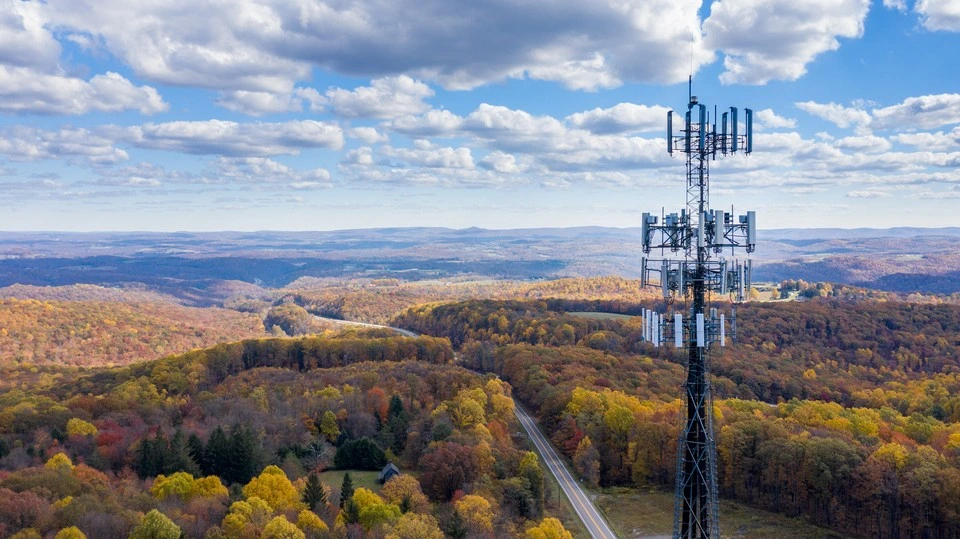
Fixed wireless connects your home to a nearby tower using a dedicated wireless link. This is a common and practical form of broadband internet for rural areas, because it can cover larger geographic regions without running new cable or fiber to every property.
With properly engineered service, fixed wireless can deliver consistent performance with speeds up to 1 Gig for everyday household internet use, including streaming and remote work, depending on local conditions.
Satellite Internet
Satellite internet connects your home to a satellite network. It can reach remote locations where other technologies may not be available, but performance can be affected by latency and weather, and plans may include higher costs or limitations depending on the service.
Why Rural Areas Often Have Fewer Broadband Options
If you live in rural Pennsylvania, you’ve probably seen the gap between what’s available in town and what’s available outside of it. That gap is usually driven by infrastructure economics:
- The distance between homes is greater, so there are fewer potential customers.
- Terrain and wooded areas can complicate construction and increase costs.
- Maintenance and repairs take longer when networks span large rural areas.
- Provider buildout priorities often focus on densely populated routes first.
This is why rural households frequently compare wireless broadband solutions and satellite options available at their address.
Is Broadband Internet Available for Rural Areas?
Yes, broadband internet can be an excellent fit for rural areas, but the answer depends on which broadband technology is available where you live and how you use the internet.
For many rural households, the most realistic path to a fast, dependable connection is a solution designed for rural geography. When engineered for coverage and reliability, fixed wireless can deliver the speed and consistency many homes need without waiting years for new cable or fiber builds.
What to Look For When Choosing Residential Broadband Internet in Rural PA
When comparing residential broadband internet options, focus on a few factors that directly affect everyday experience:
1) Speed that matches how your household uses the internet
Speed needs vary based on how many people are online and what they’re doing. A household with remote workers, students, and multiple streaming devices will need more capacity than a household that primarily browses the web and checks email.
2) Latency (responsiveness)
Latency affects how “instant” the internet feels. It matters for video calls, gaming, and real-time applications. Different technologies have different latency profiles, so it’s worth asking a provider what to expect.
3) Reliability in your specific setting
In rural areas, reliability can be influenced by terrain, distance, and weather exposure. Ask:
- What influences service performance at my address?
- What does installation require?
- What support options are available if I experience an outage?
4) Consistency during peak usage
Some services slow down when networks are busiest. Ask whether typical performance is consistent during evening hours when many households are streaming.
5) Equipment and installation requirements
Some options require specific equipment placement, indoor/outdoor installation, or a line-of-sight check. Understanding this upfront reduces surprises.
Wireless Broadband Solutions for Rural Pennsylvania
When wired options are limited or unavailable, wireless broadband solutions often become the most practical way to get a broadband connection at home. Fixed wireless internet is built for areas where running new cable or fiber to every property is difficult.
We offer high speed fixed wireless internet for homes, farms, and businesses as well. Check our service map to see what’s available at your location.
Frequently Asked Questions
Is Wi-Fi the same thing as broadband internet?
No. Broadband internet is the connection that comes into your home from an internet service provider. Wi-Fi is how your router shares that connection wirelessly with your devices inside the home.
Is satellite internet considered broadband?
Satellite can qualify as broadband depending on the service and performance. It can be a valuable option in very remote locations, but latency and other plan details can affect the experience for video calls and gaming.
What’s the best broadband internet for rural areas?
It depends on what’s available at your address and what you need from the connection. In many rural areas, fixed wireless is a strong option, especially when cable and fiber are unavailable.
What if my only wired option is DSL?
DSL performance depends on distance from the company’s central office and overall line quality. Because it’s a copper line, the weather can also slow the performance. If DSL is slow or unreliable, fixed wireless or satellite may provide better overall performance depending on your location.
Get Broadband Internet That Works Where You Live
Broadband internet is the standard for modern households, and rural Pennsylvania residents have more options than ever. If you’re outside the footprint of cable or fiber, wireless broadband solutions like fixed wireless are a practical way to get fast, reliable residential broadband internet.
Contact Upward Broadband to check availability and learn what broadband options are realistic for your address today. Give us a call at (717) 869-0968 or click the button below.